
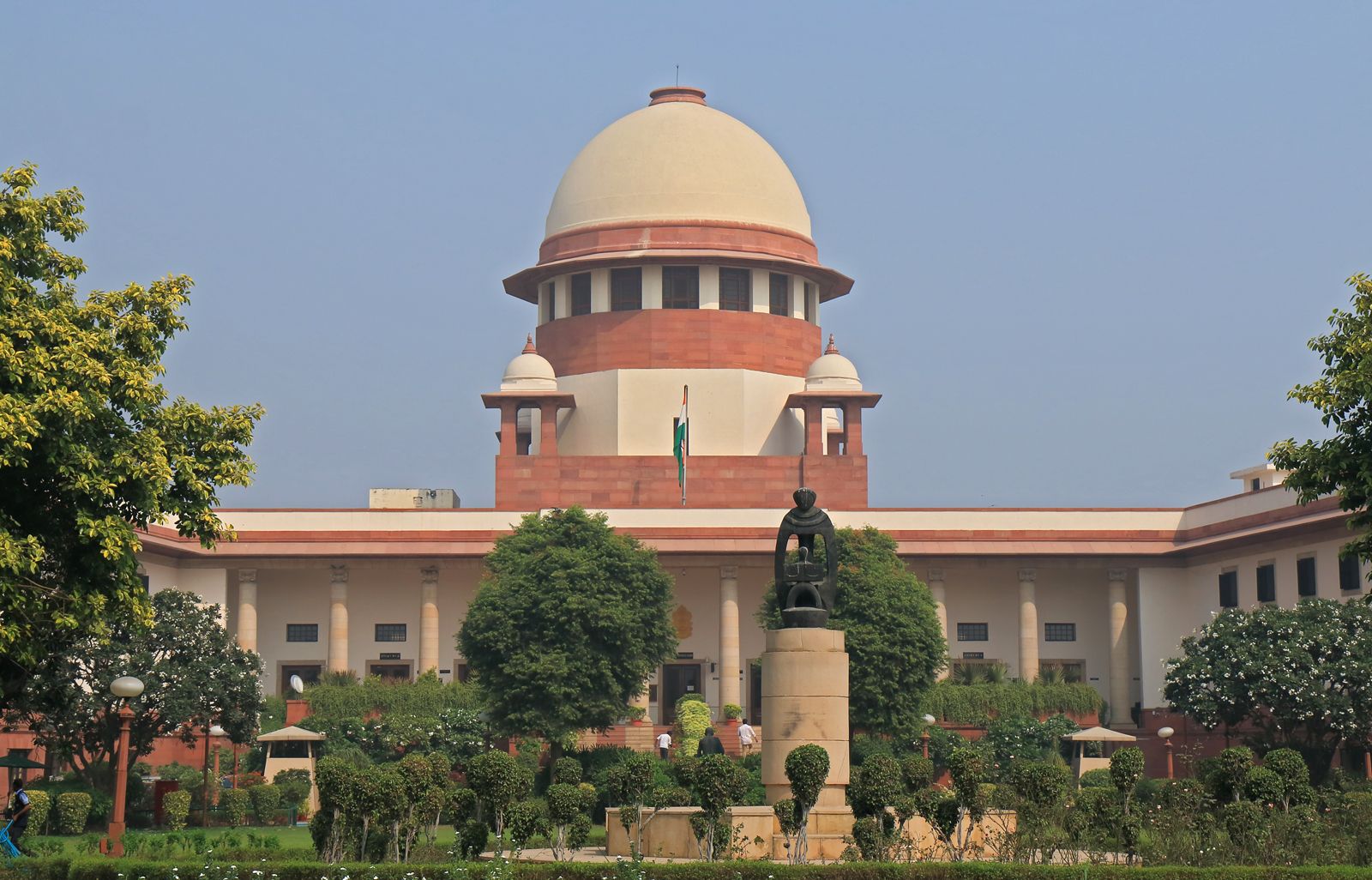
Top Court Reviews Public Interest Litigation on Genetic Health Risks
Addressing a sensitive intersection of public health, personal law, and constitutional boundaries, the Supreme Court of India has sought the Central government’s formal response on a plea concerning marriages between blood relatives. A three-judge bench headed by Chief Justice Surya Kant, alongside Justices Joymalya Bagchi and V. Mohana, heard the Public Interest Litigation (PIL) on Friday.
The petition urges the Union government to consider enacting appropriate legislation and launching a nationwide public awareness campaign highlighting the severe adverse health risks associated with consanguineous marriages.
While issuing notice to the Centre for its official stance, the bench clearly observed that the judiciary itself cannot directly regulate marriages between blood relatives.
Instead, the court noted that any statutory framework or preventive policy must be evaluated and formulated by the elected legislature and executive.
Supreme Court Hearing Overview and Key Petition Parameters
The table below outlines the judicial bench composition, core legal observations, and public health arguments presented before the Supreme Court.
| Serial No. | Legal / Petition Parameter | Official Court Detail | Constitutional & Public Health Impact |
| 1 | Supreme Court Bench | CJI Surya Kant, Justices Bagchi & Mohana | Three-judge bench heard the PIL. |
| 2 | Subject Matter | Consanguineous Marriages | Refers to unions between close blood relatives. |
| 3 | Judicial Observation | Courts Cannot Regulate Directly | Leaves legislative consideration to the Centre. |
| 4 | Core Petitioner Demand | Law & Nationwide Awareness Drive | Focuses on genetic & pediatric health risks. |
| 5 | Current Procedural Status | Notice Issued to Union Government | Seeks official reply on health awareness. |
Balancing Genetic Health Concerns with Diverse Cultural Traditions
Examining the public health dimensions of marriages between blood relatives, medical researchers and geneticists have long documented elevated risks of inherited disorders among offspring. Children born from close consanguineous unions face statistically higher probabilities of autosomal recessive genetic conditions, congenital anomalies, and developmental challenges.
The PIL argues that millions of families across urban and rural regions remain unaware of pre-marital genetic counseling and carrier screening options.
However, regulating marriages between blood relatives in India involves complex social, regional, and religious sensitivities.
While prohibited degrees of relationship exist under the Hindu Marriage Act, certain communities across southern states and specific personal laws permit cross-cousin or uncle-niece unions by long-standing custom.
Also Read : https://indiathisweek.in/sports/kl-rahul-hits-historic-136-wellington-india-surpasses-new-zealand-day-3/
Separation of Powers Guides Court’s Measured Approach
Maintaining strict constitutional discipline, Chief Justice Surya Kant’s bench reinforced the separation of powers between the judiciary and Parliament. By declining to issue sweeping judicial bans on personal marital choices, the court respected legislative authority while acknowledging legitimate medical awareness concerns.
Legal experts note that public health ministries can expand voluntary genetic screening, maternal education, and community outreach without infringing upon personal freedoms.
The Central government’s upcoming affidavit will clarify existing health-ministry awareness programs and whether any legislative consultations are contemplated.
Awaiting the Union Government’s Formal Affidavit
Following Friday’s hearing on marriages between blood relatives, legal observers and public health advocates await the Centre’s detailed reply.
Constructive policy dialogue focused on scientific education and voluntary genetic counseling offers a balanced path toward safeguarding future generations’ health.