
By Senior Diplomatic Desk Editor
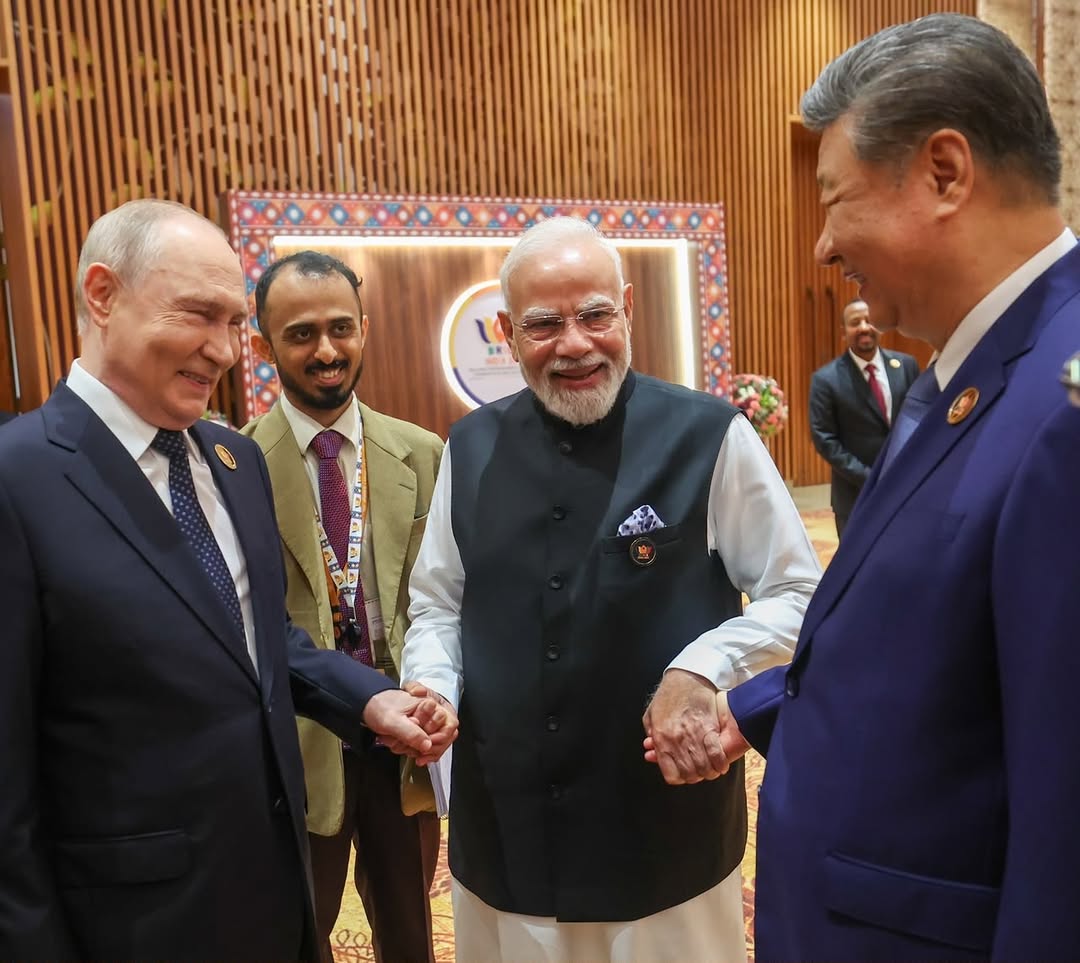
September 12, 2026 : In a major diplomatic breakthrough, the expanded BRICS bloc unanimously adopted the New Delhi Declaration 2026 on Saturday during its 18th annual summit in India. Prime Minister Narendra Modi confirmed the historic consensus during his address at the Bharat Mandapam venue.
Addressing the gathered world leaders, PM Modi confirmed that no member country raised any objections to the joint document. Furthermore, he emphasized that changing global realities require sweeping institutional reforms across global decision-making bodies.
Overcoming Deep Geopolitical Divides in the Expanded Bloc
Securing unanimous agreement presented a complex challenge for Indian negotiators due to competing regional interests. The expanded grouping currently includes 11 full member states representing distinct economic and security priorities.
Negotiators worked through the night until 4 AM to bridge sharp differences over regional conflict language. Specifically, diplomatic efforts focused on finding common ground between Iran and the United Arab Emirates regarding West Asian tensions.
| BRICS Member State Category | Member Nations Included | Strategic Focus at 2026 Summit |
| Founding & Early Members | Brazil, Russia, India, China, South Africa | Institutional continuity, multipolar governance |
| Middle East Additions | Egypt, Iran, Saudi Arabia, United Arab Emirates | Regional security, energy trade, digital finance |
| African & Asian Additions | Ethiopia, Indonesia | Global South advocacy, resilient supply chains |
Key Pillars of the New Delhi Declaration 2026
The adopted joint statement establishes actionable goals across economic, security, and governance sectors. It explicitly demands greater representation for developing economies within international multilateral institutions.
Also Read : Xi Jinping Arrives in India for BRICS Summit: Key Modi Talks
| Strategic Priority Area | Core Policy Recommendation | Target Global Outcome |
| Global Governance Reform | Time-bound reform of the UN Security Council | Enhanced Global South decision-making power |
| Counter-Terrorism | Universal condemnation of all forms of terrorism | Strengthened cross-border security cooperation |
| Financial Systems | Local currency settlement frameworks | Reduced vulnerability to global market shocks |
| Digital Public Goods | Shared artificial intelligence repositories | Equitable access to technological innovation |
India Solidifies Role as Global Bridge Builder
This diplomatic success mirrors India’s performance during its G20 Presidency, where negotiators resolved similar draft impasses. By maintaining strong relationships with diverse partners, New Delhi successfully aligned competing international interests.
PM Modi highlighted that developing nations must transition from passive observers to active rule-makers in international governance. Consequently, member states agreed to translate the declaration resolutions into tangible operational frameworks throughout the coming year.