
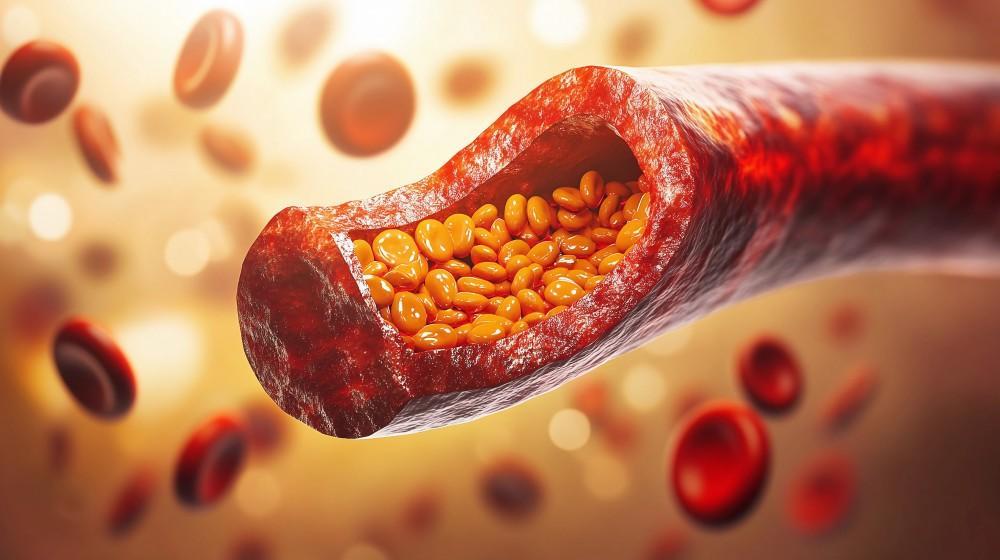
We make it a habit to keep our homes clean, but often forget that our arteries—the vital highways of the body—need similar care. Healthy arteries transport oxygen-rich blood efficiently to all organs, reducing strain on the heart. When arteries become clogged, the risk of heart attack, stroke, high blood pressure, and peripheral artery disease (PAD) increases significantly.
How Arteries Become Clogged
According to vascular surgeon Dr Sumit Kapadia, with 18 years of clinical experience, arterial blockage begins when plaque—made of cholesterol, fats, calcium, and cellular debris—builds up inside artery walls, a process called atherosclerosis. Early signs include reduced blood flow, chest discomfort, and the heart working harder to pump blood. Plaque accumulation often develops silently over years, making early prevention crucial.
1. Boost Vitamin K2 Intake
Vitamin K2 is essential for arterial health, as it activates proteins that prevent calcium from hardening inside artery walls. A deficiency can lead to vascular calcification, increasing cardiovascular risk.
Foods rich in Vitamin K2 include:
- Cheese
- Egg yolks
- Dairy products
- Fermented foods like natto and sauerkraut
Studies show adequate vitamin K2 can reduce arterial stiffness, slow coronary artery calcification, and improve heart function over time.
Also read : 7 Natural Remedies to Remove Holi Colours Without Damaging Your Skin
2. Reduce Refined Carbohydrates
Refined carbs may be low in fat, but they promote inflammation in arteries, accelerating plaque formation. Common culprits include:
- White bread
- Sugary snacks
- Soft drinks
- Processed packaged foods
Healthier alternatives are:
- Whole grains
- Vegetables
- Legumes
- High-fibre foods
Switching to these foods reduces inflammation, improves arterial flexibility, and supports long-term heart health.
3. Stay Physically Active Daily
Just 30 minutes of exercise a day can improve blood flow and support heart function. Effective options include:
- Brisk walking
- Cycling
- Swimming
- Gym workouts and strength training
Regular physical activity helps lower blood pressure, regulate cholesterol, manage weight, and strengthen the cardiovascular system. Active individuals consistently show lower rates of heart disease and better vascular health.
Peripheral Artery Disease (PAD) Warning Signs
PAD occurs when plaque narrows arteries supplying the legs. Symptoms include:
- Leg pain or cramping while walking (relieved by rest)
- Numbness, weakness, or coldness in the legs or feet
- Pale or bluish skin
- Slow-healing wounds
- Weak pulses in the legs
Early detection and lifestyle management can prevent progression and improve circulation.
Why Artery Health Often Starts in the Legs
Leg arteries are long, work against gravity, and experience constant pressure. Over time, they are more prone to plaque buildup. Early symptoms in the legs often signal cardiovascular issues elsewhere, allowing timely intervention.
Key Takeaways for Healthy Arteries
Dr Kapadia emphasizes three simple habits for long-term arterial health:
- Include Vitamin K2-rich foods in your diet
- Minimize refined carbohydrates and added sugars
- Engage in daily physical activity
These natural, scientifically supported strategies can help maintain clear arteries, reduce cardiovascular risk, and support a healthy, active life.