
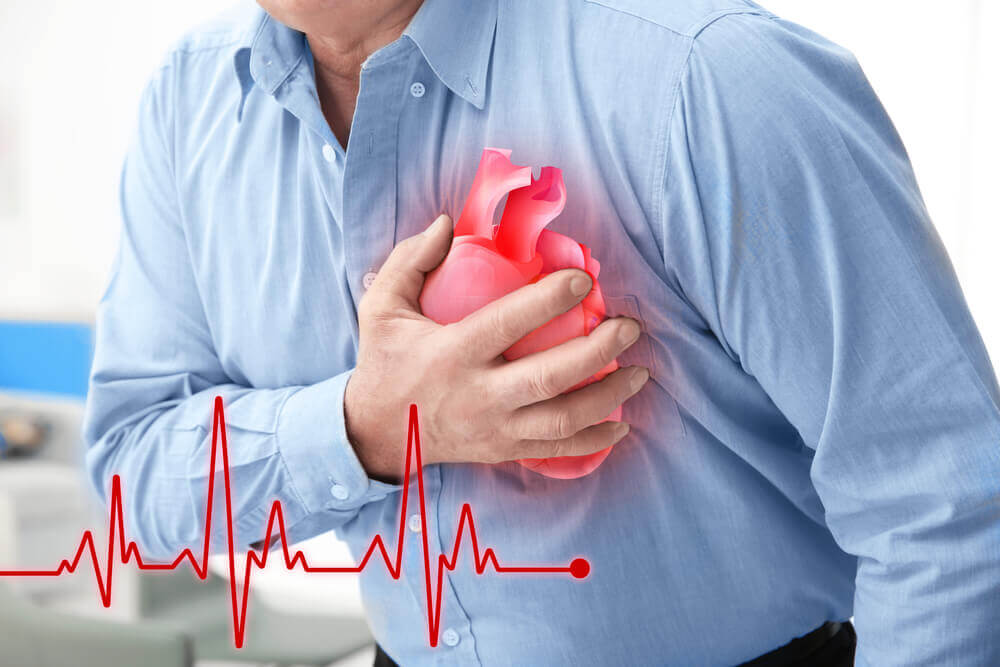
Many people worry about hidden heart disease or blocked arteries but assume only advanced medical scans can detect problems. While you cannot directly see plaque buildup at home, your body often signals early warning signs—if you know what to watch for.
Simple home monitoring and attention to symptoms can provide valuable insight into heart and arterial health. Recognizing potential issues early can make a significant difference in prevention and treatment.
1. Monitor Your Blood Pressure Regularly
Checking your blood pressure consistently is one of the easiest ways to assess heart health at home.
An upper-arm digital blood pressure monitor is usually the most reliable option. Sit quietly for at least five minutes, keep your back supported, feet flat on the floor, and avoid talking during the reading. Take two readings in the morning and two at night for a week, then calculate the average.
A healthy reading is generally around 120/80 mmHg. Consistently higher numbers may indicate increased arterial pressure, which strains blood vessels and raises the risk of heart disease and stroke. If your readings are frequently elevated, consult a healthcare professional.
2. Check Your Ankle-Brachial Index (ABI)
The Ankle-Brachial Index compares blood pressure in your ankles with that in your arms. This simple measurement helps identify peripheral artery disease, a condition linked to narrowed arteries and higher cardiovascular risk.
The test involves using blood pressure cuffs on both the arm and ankle. Divide the ankle pressure by the arm pressure to calculate the ratio. A result below 0.90 may suggest restricted blood flow in the legs and a greater risk of heart complications.
While often done in clinics, ABI is recognized as a reliable early screening method to detect circulatory problems before severe symptoms appear.
3. Get a Lipid Profile Test
Cholesterol levels are crucial for arterial health. A lipid profile measures total cholesterol, LDL (“bad” cholesterol), HDL (“good” cholesterol), and triglycerides.
Also read ; How Broccoli Can Help Manage Diabetes Naturally
Many labs now offer at-home sample collection. Most tests require a 12-hour fast unless your doctor advises otherwise.
High LDL levels can lead to plaque buildup in arteries, restricting blood flow and increasing the risk of coronary artery disease, heart attack, or stroke. Regular monitoring of your lipid profile helps you identify risks early and take preventive action through diet, exercise, or medical guidance.
4. Notice Symptoms During Physical Activity
Sometimes, your body provides the clearest warning signs.
Try climbing a few flights of stairs at a steady pace, paying attention to your body. Chest tightness, unusual shortness of breath, pain radiating to the jaw or arm, dizziness, or extreme fatigue may indicate exertional angina—a sign of reduced blood flow to the heart due to narrowed arteries.
Take note of how quickly symptoms appear and whether they worsen with activity. Persistent or recurring discomfort during exertion should never be ignored.
When to Take Warning Signs Seriously
Home monitoring and symptom awareness cannot replace professional diagnosis or imaging, but they can highlight early warning signals. Heart disease often develops silently over many years, and by the time obvious symptoms appear, the condition may already be advanced.
Regular monitoring, paying attention to physical cues, and timely consultation with a healthcare provider can greatly reduce long-term risks. Your heart works tirelessly every second—are you listening to what it’s trying to tell you?
disclaimer : Readers are encouraged to exercise discretion and make informed decisions. India This Week (ITW) does not endorse, promote, or guarantee any specific recommendation. The information provided is for general awareness only and should not be considered a substitute for professional consultation. Always seek advice from a qualified expert.)