
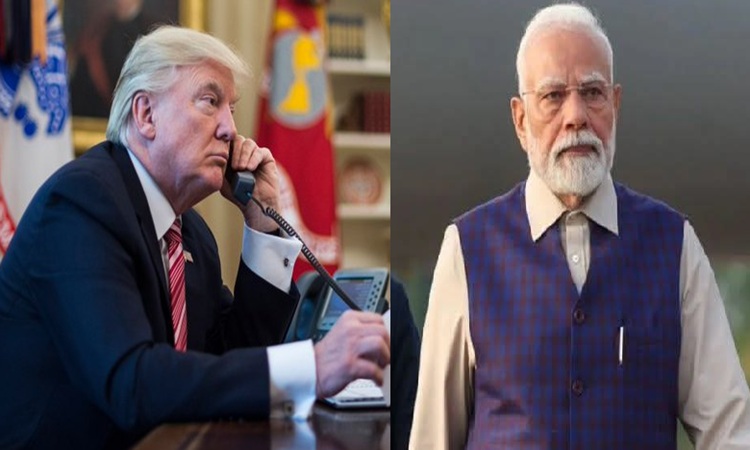
Modi’s Refusal Reflects Anger and Caution
US President Donald Trump reportedly made at least four attempts to speak with Indian Prime Minister Narendra Modi in recent weeks. However, Modi refused to take the calls, according to a report published by the German newspaper Frankfurter Allgemeine Zeitung (FAZ).
The Mainz-based paper suggested that Modi’s refusal reflected “the depth of his anger, but also his caution.” The report comes at a time when Washington has imposed 50% tariffs on India, the highest levied on any nation except Brazil.
Thorsten Benner, co-founder of the Berlin-based Global Public Policy Institute, highlighted the FAZ report in a post on X (formerly Twitter). Sharing a copy of the article, Benner wrote that Trump’s repeated attempts to reach Modi had been unsuccessful.
Trade Tensions and Diplomatic Strain
The FAZ noted that Modi had shown signs of being “offended” by Trump’s approach. While Trump’s strategy often involved using America’s vast market leverage to push other countries into concessions, Modi resisted such pressure.
During Trump’s first term, Modi maintained cooperation without compromising India’s economic interests. Analysts argue that the current refusal to engage shows a clear shift in India’s stance.
The tariffs have strained trade ties further. India views the move as punitive and counterproductive at a time when global economic stability requires collaboration.
A Lesson from Vietnam’s Trade Deal
FAZ explained that Modi’s caution stemmed from past experiences of Trump’s unconventional diplomacy. The newspaper recalled how Trump renegotiated a carefully structured US-Vietnam trade agreement during a single phone call with Vietnamese General Secretary To Lam.
Trump later announced on social media that a deal had been struck, even though no final agreement existed. The episode raised concerns among international partners about the reliability of negotiations conducted directly with Trump.
“Modi doesn’t want to fall into the same trap,” FAZ observed, suggesting that India prefers institutional negotiations rather than unpredictable leader-to-leader conversations.
Indo-Pacific Strategy Under Pressure
Experts believe the fallout has wider geopolitical consequences. Mark Frazier, co-director of the India-China Institute at the New School in New York, told FAZ that “America’s strategy isn’t working.”
Washington’s Indo-Pacific vision placed India at the center of efforts to counterbalance China. However, Frazier argues that New Delhi never intended to fully align with the US against Beijing. India has instead pursued a balancing act—engaging with Washington on defense cooperation while maintaining ties with Moscow and Beijing.
The refusal to take Trump’s calls highlights India’s discomfort with being forced into a singular strategic camp. Analysts suggest that New Delhi is determined to retain its independent foreign policy identity, even under pressure from major powers.
Looking Ahead
While the US and India remain key partners in technology, defense, and energy, the current standoff signals friction in the relationship. Observers believe that unless trade tensions ease, mistrust could widen.
Still, India’s growing market and strategic importance mean both countries have incentives to keep dialogue open. Whether through back-channel diplomacy or future leadership changes, experts expect efforts will continue to reset the relationship.
For now, however, Modi’s refusal to engage directly with Trump underscores India’s cautious approach in dealing with unpredictable US trade and foreign policy moves.