
US Vice President Explains Trump’s Tariffs on India
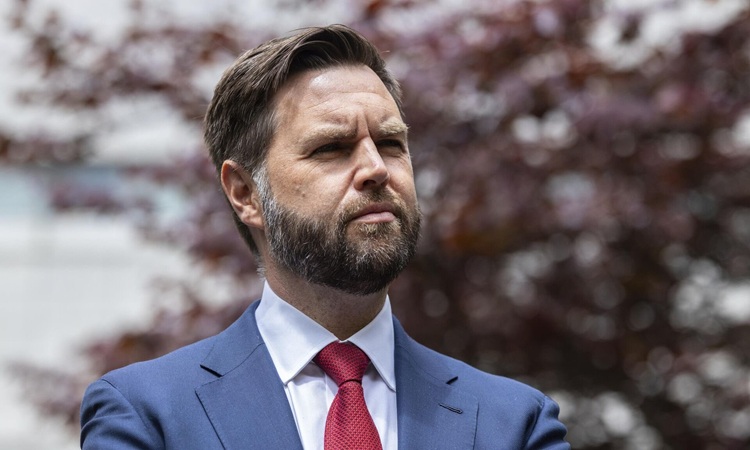
Washington / New Delhi – US Vice President J.D. Vance on Sunday defended the Trump administration’s decision to impose secondary tariffs on India, saying the measures were part of President Donald Trump’s broader strategy to pressure Russia into halting its strikes on Ukraine.
In an interview with NBC News’ Meet the Press, Vance said Trump had applied “aggressive economic leverage,” including new tariffs targeting India, to make it harder for Moscow to profit from its oil-driven economy.
“We believe we’ve already seen some significant concessions from both sides, just in the last few weeks,” Vance told moderator Kristen Welker. “Trump has used tariffs on India to reduce Russia’s oil revenues and bring Moscow to the negotiating table with President Volodymyr Zelenskyy.”
Why India Was Targeted Under Trump’s Secondary Tariffs
The Trump administration has repeatedly criticized New Delhi for buying discounted crude oil from Russia despite global sanctions. India became one of the largest importers of Russian oil after Western nations shunned Moscow’s supplies following its invasion of Ukraine in February 2022.
Although China remains the biggest buyer of Russian crude, Washington has notably refrained from imposing similar trade penalties on Beijing. Analysts believe this selective approach reflects Trump’s preference for targeting partners like India while avoiding direct escalation with China.
Under the new trade policy, tariffs on several Indian goods were doubled to nearly 50 percent, while additional duties of 25 percent were imposed on crude purchases linked to Russia.
Vance argued that such penalties were crucial to sustaining pressure on Moscow. “Trump made it clear that Russia could rejoin the global economy only if it stopped the killings. Otherwise, it will remain isolated,” he said.
India’s Strong Rebuttal to US Allegations
India has consistently rejected Washington’s criticism, maintaining that its energy imports are based on national interest and global market realities. Officials have stressed that purchasing discounted Russian oil is necessary to shield India’s economy from inflationary shocks.
On Saturday, External Affairs Minister S. Jaishankar hit back at US concerns. Speaking at an event in New Delhi, Jaishankar said:
“It’s funny to have people who work for a pro-business American administration accusing others of doing business. If you have a problem buying oil or refined products from India, don’t buy it. Nobody forces you to buy it. But Europe buys, America buys, so if you don’t like it, don’t buy it.”
His remarks underscore New Delhi’s stance that India’s decisions are guided by pragmatic economics rather than geopolitics. Indian officials have also pointed out that the US and European countries themselves continue to import certain Russian energy-linked products despite sanctions.
Impact on US-India Relations
The imposition of Trump’s secondary tariffs on India has strained ties between New Delhi and Washington. Relations, once on a positive trajectory under previous administrations, have entered a phase of friction.
Trade experts say the additional tariffs could hurt sectors such as textiles, engineering goods, and pharmaceuticals, where India has a large export share in the US market. The move also risks complicating broader strategic cooperation at a time when both countries share security concerns about China in the Indo-Pacific.
Despite the tensions, US officials have expressed hope that ongoing negotiations may prevent further deterioration. Vance told NBC that the Trump administration believes the tariffs will eventually push Russia toward peace talks, indirectly benefitting global stability.
Balancing Energy Needs and Strategic Ties
India finds itself walking a tightrope between energy security and its growing partnership with the US. On one hand, discounted Russian crude provides vital relief to its import-heavy economy. On the other, friction with Washington could impact cooperation in defense, technology, and investment.
Analysts suggest that India will continue diversifying its energy imports while resisting external pressure. “India is unlikely to compromise on its oil policy, but it will seek to manage differences diplomatically,” said one trade policy expert.
The coming months will be critical in determining whether the tariff dispute escalates into a wider trade conflict or is resolved through negotiations.
Conclusion
The controversy over Trump’s secondary tariffs on India highlights the complex intersection of geopolitics, trade, and energy security. While the US argues that tariffs are essential to weaken Russia’s war funding, India maintains its sovereign right to secure affordable energy.
With both sides standing firm, the issue has become a key test for US-India relations. Whether it deepens into a long-term dispute or leads to new compromises will shape the trajectory of bilateral ties in the years ahead.